Today, most modern businesses rely on technology to run operations, handle communication, and keep daily workflows moving. As sectors get more connected, thanks to cloud systems and IoT devices , the need for Remote Management along with Monitoring keeps on rising.
Leveraging remote management and monitoring, a company can basically watch over networks, devices, and broader infrastructure from anywhere. This helps teams catch problems early. It also lets everything run more smoothly, and strengthens the cybersecurity in a steadier way and cuts down on that random downtime that nobody planned for.
Understanding Remote Management and Monitoring
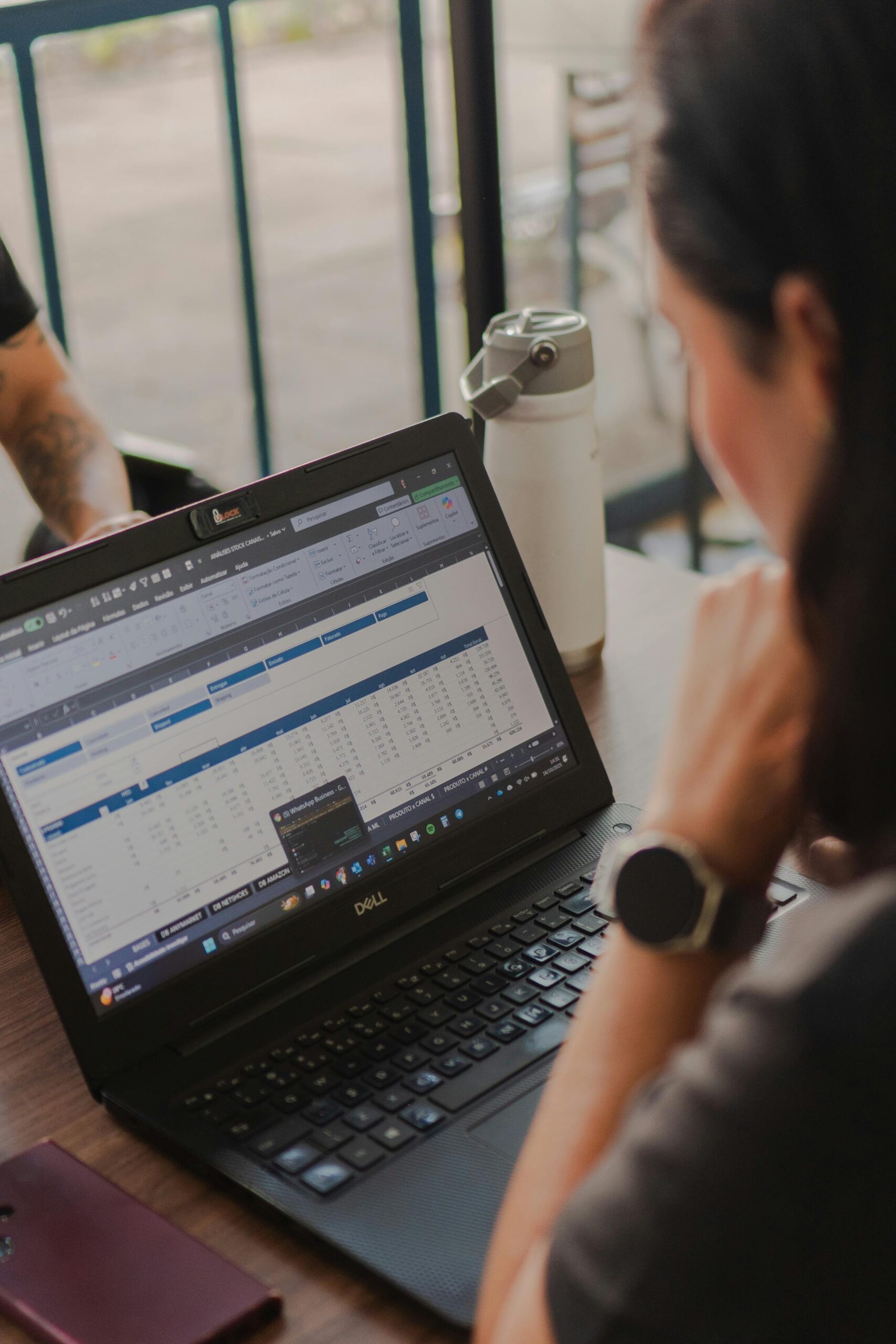
Remote Management and Monitoring uses specialized software that helps businesses observe, steer, and keep systems running from afar. These tools offer a real-time tracking of devices, networks, servers, and the underlying infrastructure, through centralized dashboards, so nothing ever feels fully out of sight. Teams can remotely fix malfunctions, roll out updates, and even automate everyday maintenance tasks.
How Remote Management and Monitoring Work
Remote management systems are usually driven by small software agents that are deployed on the devices. These agents monitor system performance, network health and hardware conditions. The information they gather is forwarded to a central platform, where administrators can figure out the core problem and tune their actions or adjust responses based on what they see.
Whenever something strange shows up, such as network breakdowns, equipment overheating, software glitches or even cybersecurity risks, the monitoring platform triggers alerts right away. Then the technical teams can dig into the issue remotely and, in many cases, fix it before it even affects routine operations.
Modern remote monitoring platforms also handle many day-to-day tasks on their own. It includes software updates, patch management, antivirus scans, backup scheduling, and even performance tuning. This automation reduces human effort while keeping things secure and up to date.
Cloud-based monitoring systems push remote control even further. Companies can now access those monitoring dashboards from almost anywhere. Provided there is internet, the teams can respond pretty quickly, not just from the office but also while working remotely.
Key Components of Remote Management and Monitoring
An effective remote management and monitoring setup usually blends a bunch of features into one central system. That typically covers real-time observation, automated warnings, distant access tools, software updating cycles, reporting panels, and performance analytics. When all of that is together , businesses keep clear visibility, react faster when something goes wrong, and also get better operational reliability overall. It sounds simple, but it really helps.
Why Remote Management and Monitoring Matter
Technology downtime can straight up mess with productivity, customer service, and just about any business operation you can think of. With remote management and monitoring, you can prevent much of this by staying on top of things. It actively catches issues in the system before they snowball into something bigger.
Major Benefits of Remote Management and Monitoring
Remote monitoring and management help businesses spot the small, weird issues early, so downtime stays low. This is because of proactive resolution and not fixing things after they have already happened. With automated notifications that escalate responses, the team can move quickly and keep things stable, which in turn supports operational efficiency.
Also, there is the whole lower cost part, plus better productivity and more dependable system performance. Monitoring platforms usually include analytics and reporting, and those are pretty useful for making wiser decisions in both the short term and in the long run.
Challenges Businesses May Face
Adapting to remote management and monitoring can be tricky because of security, cost, and compatibility. Cybersecurity remains a major concern, since those remote systems might get turned into targets for cyberattacks if they’re not properly secured.
Also, some organizations end up paying higher setup costs initially. This can include software, infrastructure, and staff training. Even older platforms often need upgrades just to keep functioning with newer monitoring solutions, and that can lead to annoying compatibility problems .
On top of that, companies still have to comply with data privacy regulations and maintain a steady internet connection so remote monitoring can run reliably.
Best Practices for Successful Remote Monitoring
Businesses can improve remote management system performance by leaning into stronger security habits. Like suggested practices, multi-factor authentication, tight access controls, and consistently applying software updates (not just when something feels wrong).
There’s also ongoing oversight and regular performance checkups, which really help catch issues early. It makes day-to-day operations more efficient, smoother and less of that “why is it slow” panic. Training staff is not optional either; they have to understand the cybersecurity rules and how the remote access processes actually work.
When the monitoring setup can scale with the business, companies can choose scalable monitoring platforms that support future growth without sacrificing reliability, speed or smooth operations.
The Future of Remote Management and Monitoring
The future of remote management and monitoring is tightly connected with progress in artificial intelligence , machine learning and IoT technology. AI-powered monitoring setups are becoming much more capable of sorting through large volumes of operational data and forecasting equipment failures before they become problems.
Predictive maintenance is still set to keep growing across many industries, because it helps organizations reduce downtime and also push equipment lifespans longer than before. In real life, machine learning algorithms can catch faint early warning signs that human operators might simply overlook, especially when everything is hectic.
Then there’s IoT device growth, which will continue to increase demand for more advanced remote monitoring tools. As businesses plug more endpoints, assets, and infrastructure into digital networks, centralized management solutions will become a necessity rather than an option.
At the same time, the cybersecurity aspect of remote management platforms will keep evolving as organizations deal with increasingly complex cyber threats.
Conclusion
Remote management and monitoring have kind of become a crucial operational tool for modern industries. Most businesses in healthcare, manufacturing, IT, retail, logistics, and energy now depend on remote systems just to keep everything moving efficiently.
With real-time visibility, active tracking and centralized control, these remote monitoring solutions allow organizations to run more smoothly. In a world that keeps going more digital each year. Companies can respond more quickly to technical glitches, reinforce cyber defenses and fine-tune day-to-day performance, all while trimming costs.
With the advances in technology, remote management and monitoring are going to play an even bigger role. It will help companies stay competitive, more resilient, and better prepared for whatever comes next.