

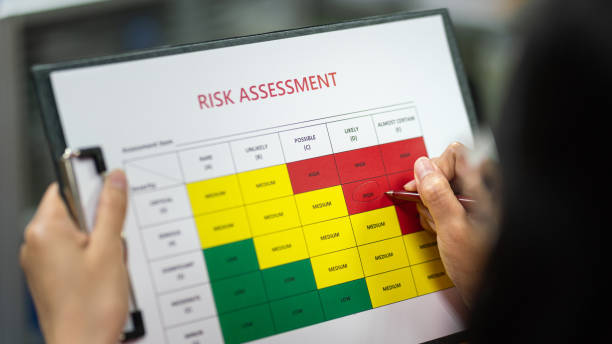
Oil and gas operations will continually evolve. Weather changes, equipment aging, pressure shifts, and even human decisions can create unsafe workplace conditions in such a rapidly changing environment. Therefore, it becomes risky to rely solely on historical safety reports. As a result, many businesses have begun implementing dynamic risk assessments to increase safety, reduce accidents and respond to rapid changes in their environment.
Dynamic risk assessment ensures that teams get real-time information about the level of risk. It will enable teams to anticipate hazards ahead of time, hence helping them make informed decisions before any problems arise.
What Are Dynamic Risk Assessments?
Dynamic risk assessments refer to ongoing assessments that are responsive to changes in the operational environment. Risk is not static but rather fluctuates consistently in the context of oil and gas operations.
Instead, traditional risk assessments are conducted before the activity’s initiation. Risk assessments play an important role in the execution of activities. Traditional risk assessments, however, cannot provide a holistic picture of how activities are carried out. This is where dynamic risk assessments come into place. Dynamic risk assessments incorporate ongoing changes in risk through information such as machinery performance, environmental conditions, and sensory data from individuals.
For example, when there are strange readings from a pressure valve, dynamic risk assessments would enable quick detection and operator alerting.
This enables oil and gas companies to transition from reactive safety management to proactive safety prevention.
Why the Oil and Gas Industry Needs Dynamic Risk Assessments
Oil & Gas is among the most dangerous industries in the world. High pressure and extreme working conditions are present in offshore platforms, drilling rigs, pipelines and refineries.
What can look like a minor problem can turn into a major disaster if the potential risks are not recognized early. Standard assessments can fail to detect such abrupt changes in operations, as they typically rely on historical data and assume certain conditions. Dynamic risk assessments can overcome this by continuously tracking risk.
Oil and gas activities can be particularly susceptible to:
- As the equipment gets old and worn down over time.
- Harsh environmental conditions
- Operating errors made by humans
- Rapid changes in production levels
- Unexpected system failures
- Slow response of the emergency services in remote areas.
Frequent updates of safety data can minimize downtime, keep workers safe and prevent environmental harm.
How Dynamic Risk Assessments Work
The dynamic risk assessment is an amalgamation of technology, operational data, and safety analysis, which ensures up-to-date risk assessment.
Risk assessments generally consist of preliminary risk assessments, followed by comprehensive risk assessments. This involves conducting a preliminary risk assessment, usually based on experience and information about potential risks. Live data are then gathered through monitoring and sensor readings, inspection results, and worker observations.
There are cases where machine learning and predictive analytics are employed to detect trends that indicate possible hazards.
The following are the common elements incorporated in dynamic risk assessments:
- Real-time monitoring system
- Monitoring equipment condition
- Analysis of safety barriers performance
- Predictive maintenance system
- Incident reporting.
- Environment and weather monitoring.
- Field feedback from the operator.
These help safety professionals make faster, sounder decisions.
Improving Safety Through Real-Time Decision Making
There are several advantages to dynamic risk assessments, including faster decision-making. In the oil and gas industry, it is necessary to quickly identify potential risks, as any delay can lead to fires, explosions, leaks, or production interruptions.
Through real-time monitoring, the operator gains immediate insight into the relationship between the risk level and the equipment’s state, as well as environmental conditions. As soon as the monitoring system shows that the level of risk is increasing, appropriate measures need to be taken.
A case in point here is an offshore drilling operation. It often takes place under unfavorable weather and equipment conditions. Depending on the findings from the dynamic risk assessment, the operator may decide whether to continue operations, reduce production capacity, or temporarily stop operations until the situation improves.
Besides, dynamic risk assessment fosters a safety culture because decisions can be made based on the current risk level.
The Role of Safety Barriers and Predictive Monitoring
Safety barriers are designed to minimize the likelihood of accidents or reduce the impact of any that may occur. Safety barriers include alarms, pressure controls, shutdown systems, emergency procedures and trained personnel.
Dynamic risk assessments continually evaluate whether these safety barriers are working correctly. If one of the barriers has become weak or is out of service, the dynamic risk assessment will immediately increase the risk level and alert the operators.
Predictive monitoring is another way to keep the probability of an accident low. By using sensor data & analytics to identify early warning signs of failure, companies can schedule repairs before serious problems occur.
The benefits associated with predictive monitoring are:
- Reduced equipment failure
- Reduced maintenance costs
- Fewer production interruptions
- Improved worker safety
- Improved protection of the environment
A proactive approach allows companies to prevent accidents before they become problems.
Challenges Companies May Face
Dynamic risk evaluations offer several advantages; however, implementing them may still be problematic.
The volume of operational data from multiple sources for oil and gas firm operations is considerable. Bringing all this data into a single secure safety platform will require investment, labor, and robust technical support.
Also, ensuring that all employees can understand and trust this system is a significant challenge. Employees should receive proper instruction on reading risk assessment updates so they can respond appropriately when operating in the workplace.
Another challenge is the quality of data received from sensors and other monitoring systems, as the reliability of any resulting risk profiles will be adversely affected by inaccurate data.
Despite numerous challenges in implementing dynamic safety solutions, companies continue to invest in these systems because the long-term benefits significantly exceed their initial costs.
The Future of Dynamic Risk Assessments in Oil and Gas
As technology evolves, dynamic risk assessment practices will only improve and demonstrate their potential value. Oil and gas facilities are using smart sensors, cloud computing, machine learning, and automation technologies to enhance their safety performance.
In the coming period, more innovative predictive solutions will enable hazards to be detected even when operators cannot visually spot them. In addition, companies are trying to integrate environmental risk assessment into operational safety to achieve an all-inclusive approach to risk management.
This development is driving the oil and gas industry toward safe and resilient operations.
Conclusion
Effective oil and gas exploration requires the ability to respond to dynamic changes in risk. However, conventional safety assessment models are unable to cope with these dynamics. Dynamic risk assessments will therefore provide a much more intelligent and proactive alternative for identifying hazards, assessing safety barriers, and improving real-time decision-making through operational data, predictive monitoring, and ongoing risk analysis. The result will be decreased accident rates, increased employee protection and increased productivity/operational effectiveness by drawing upon technology as it continues to evolve, making Dynamic Risk Assessments continue to have significant value in creating a safer and more reliable oil and gas operation anywhere in the world.